Yamaha Aerox 155 vs TVS Ntorq 150

Two Ways to Build a Sport Scooter

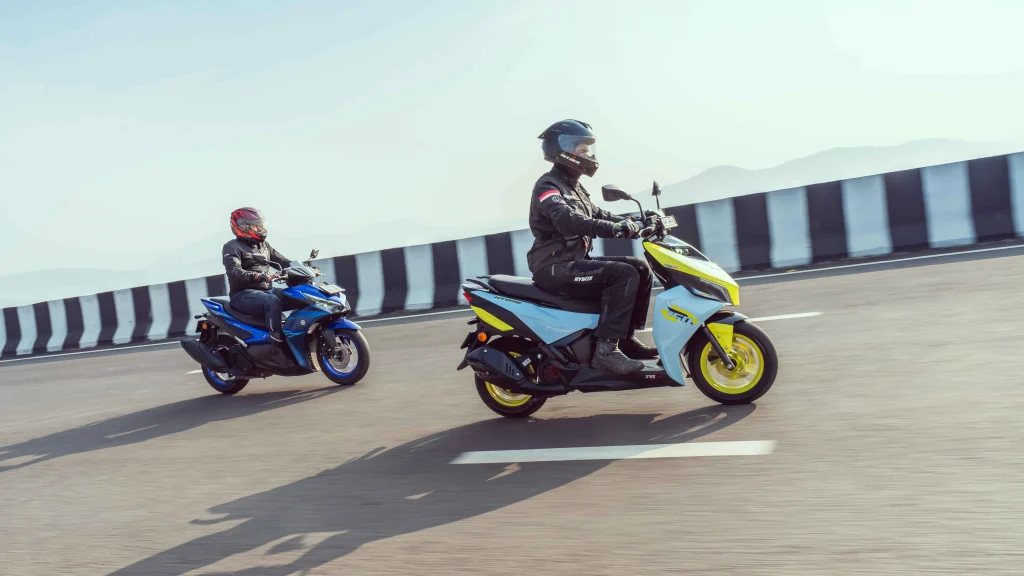
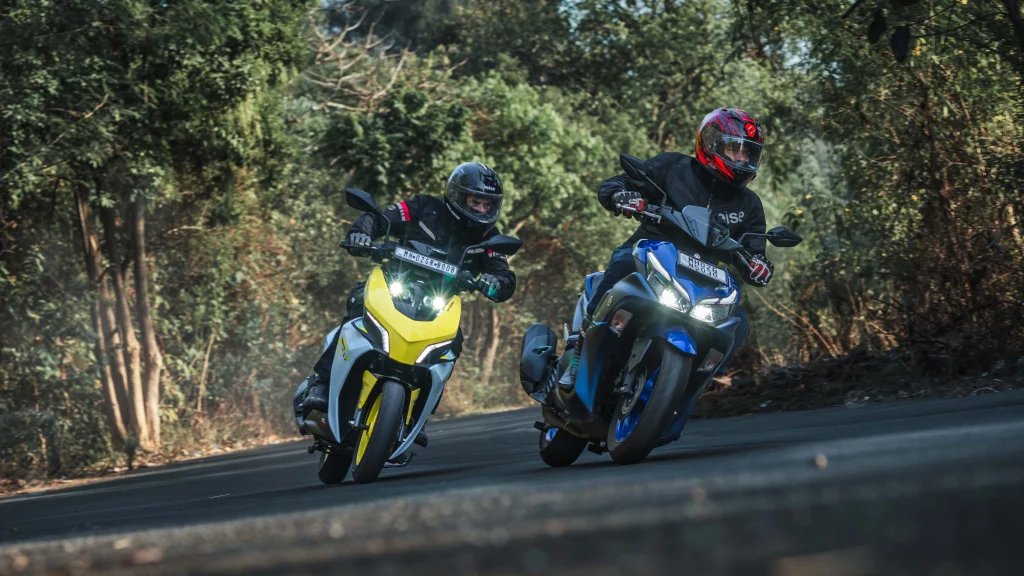
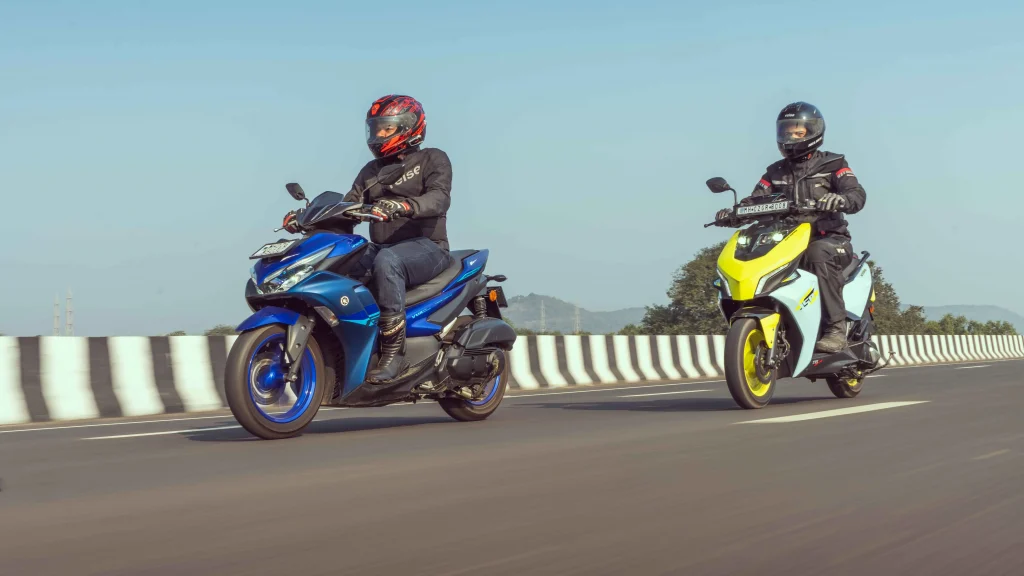
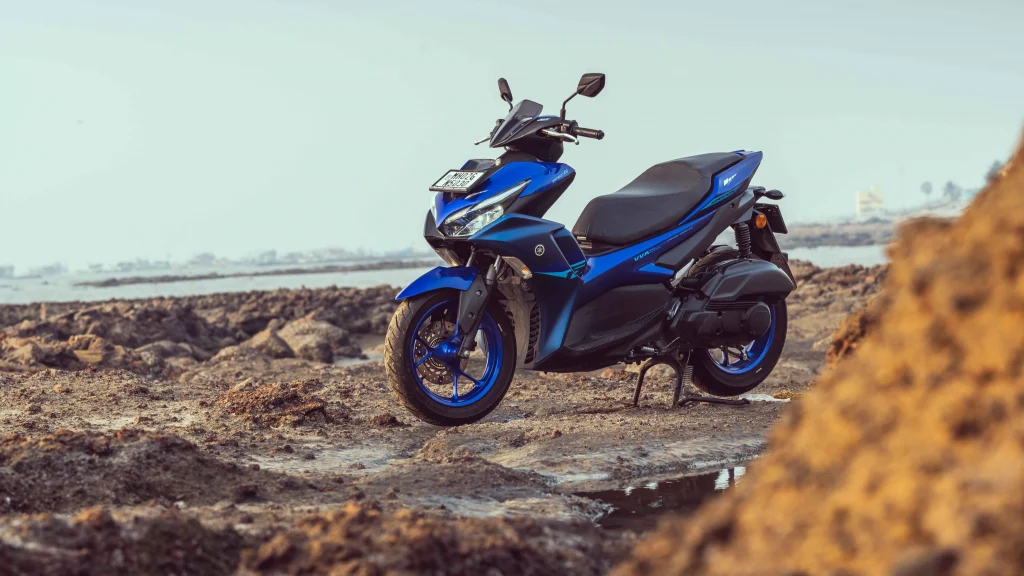
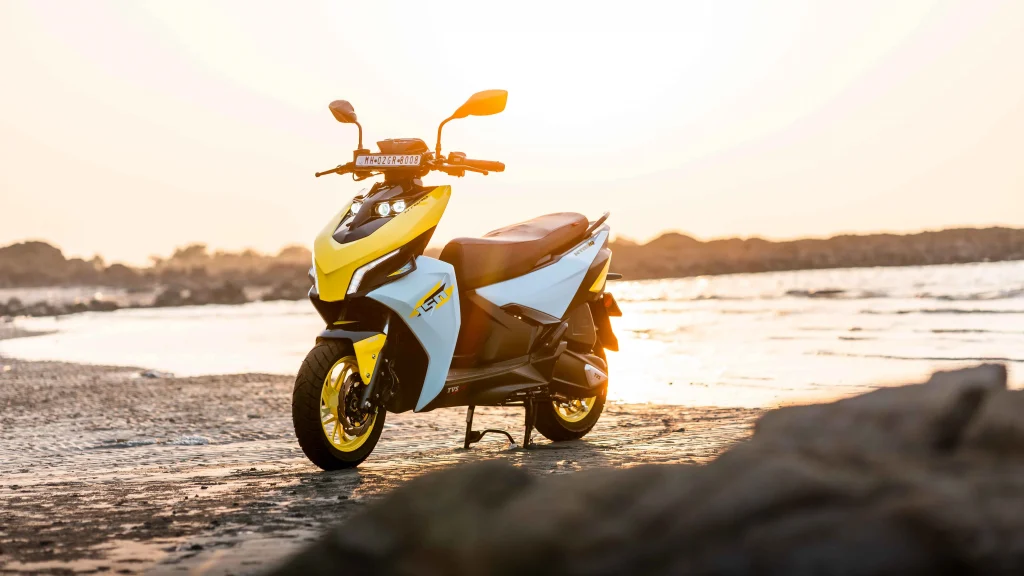
Sporty scooters in India have moved far beyond being just quick city commuters. Today, buyers expect performance, sharp styling, modern tech and everyday usability wrapped into one exciting package. The Yamaha Aerox 155 and the TVS Ntorq 150 sit right at the top of this niche, but they represent two very different philosophies. One is inspired by maxi-scooter performance and highway stability, while the other blends sporty intent with practical everyday usability and technology. After spending time with both machines, it becomes clear that choosing between them is less about which is better — and more about what kind of rider you are.

Design & Presence: Maxi Attitude vs Compact Aggression

design

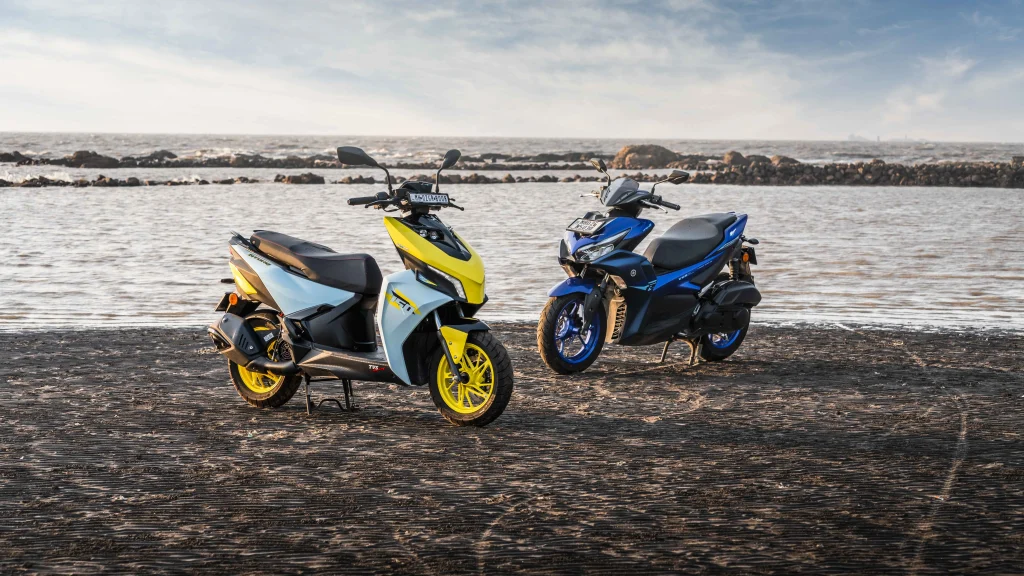
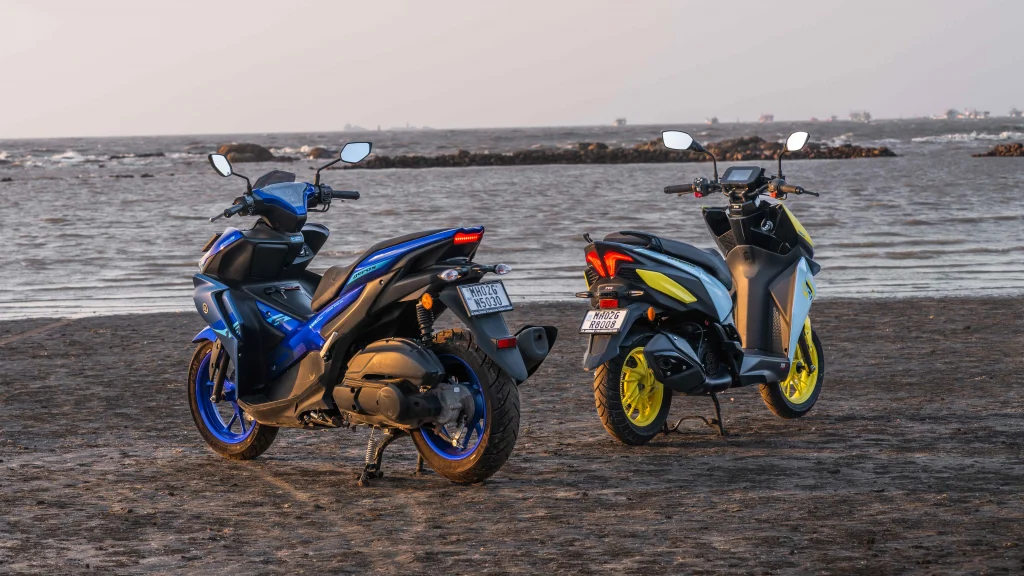
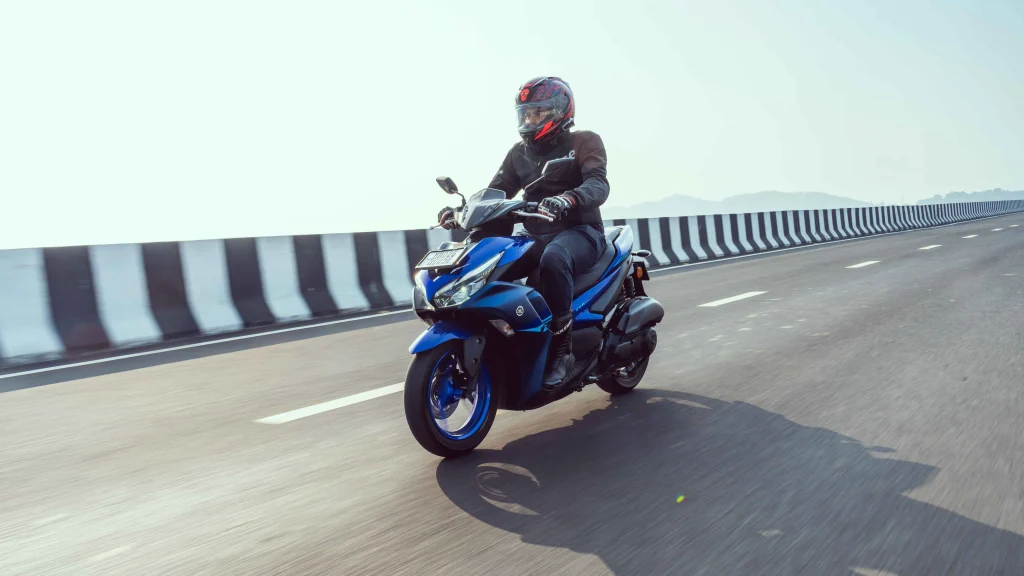
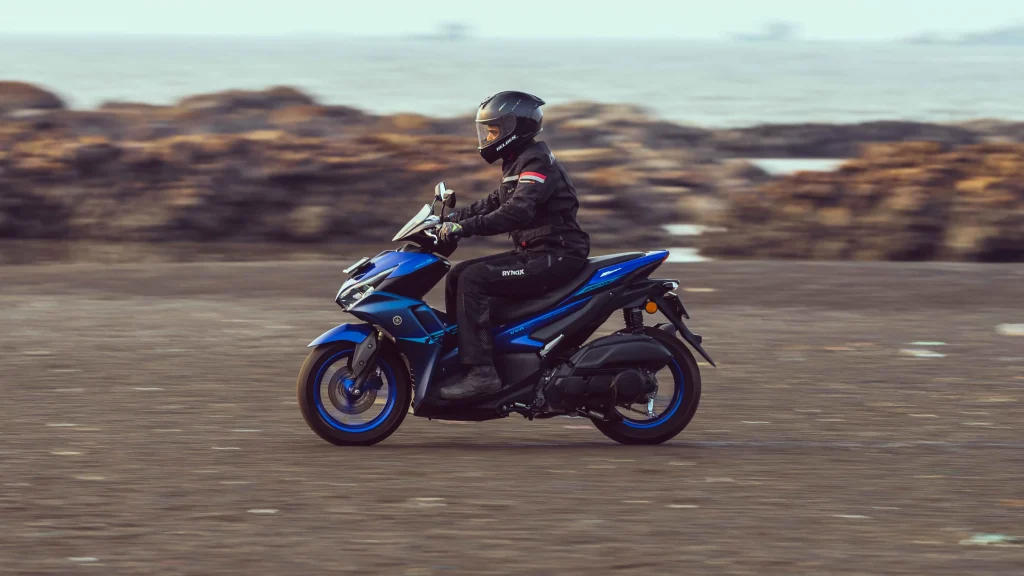
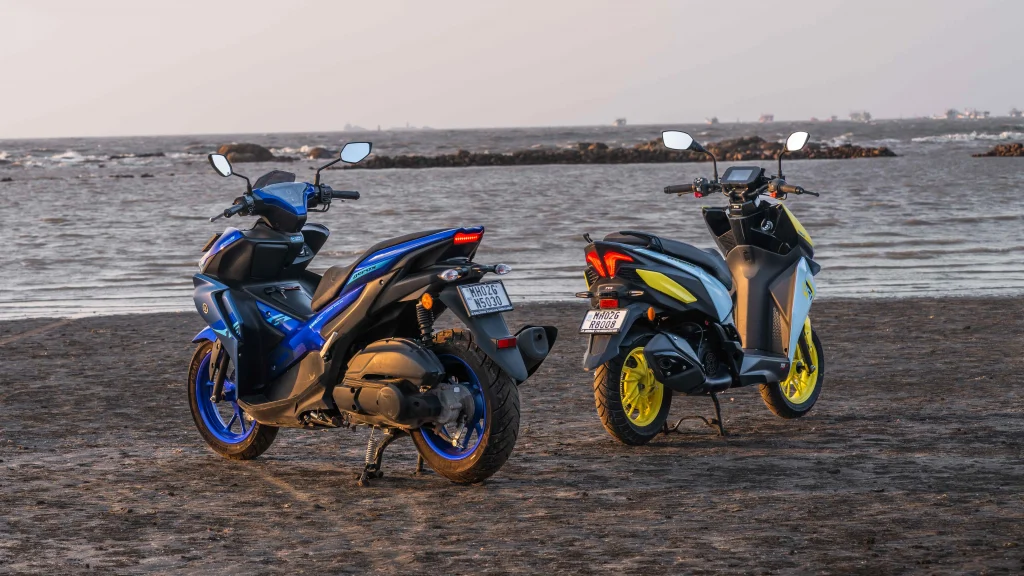
The Yamaha Aerox immediately commands attention. Its maxi-scooter stance, wide tyres and sharply creased body panels give it proportions that feel larger and more premium than any traditional scooter. It doesn’t just look sporty — it looks purposeful. From the rider’s seat, the broad front apron and muscular rear section reinforce the feeling that you’re astride a performance machine rather than a commuter.

design

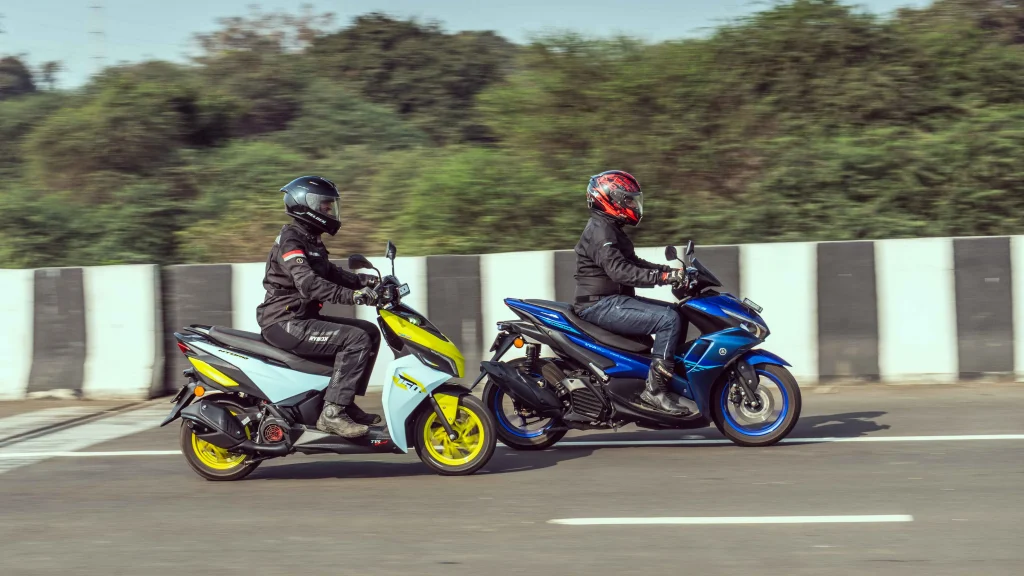
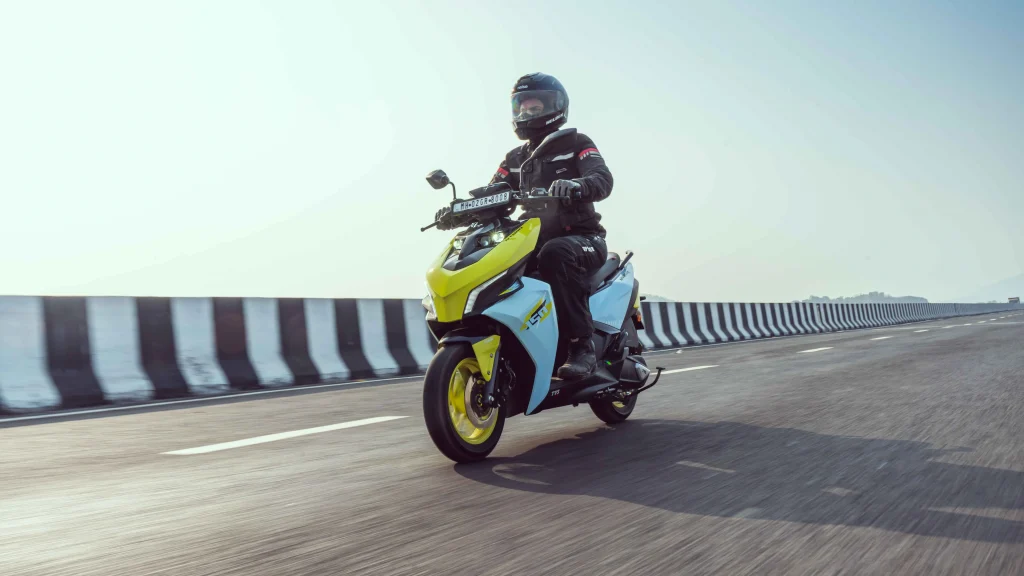
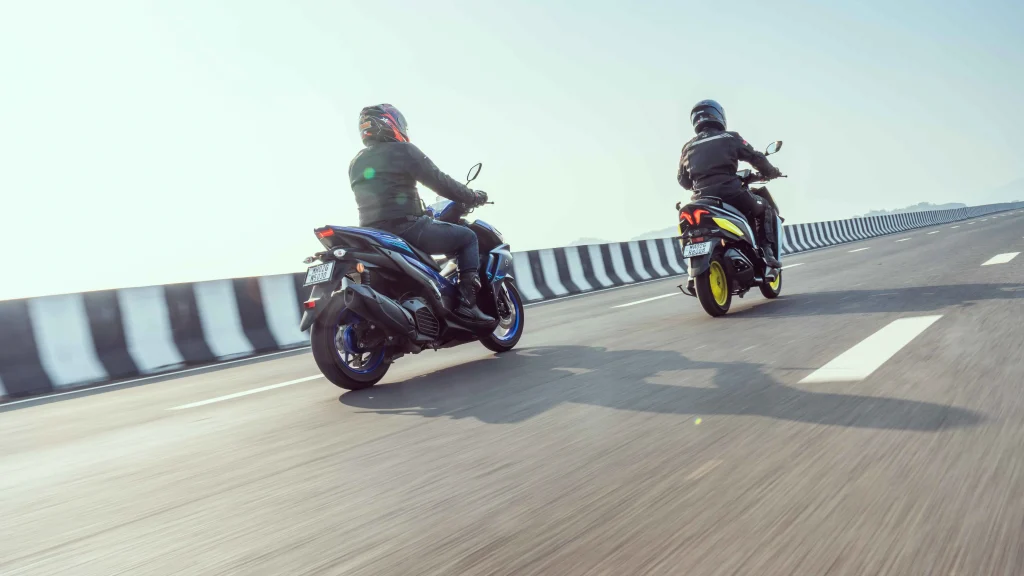
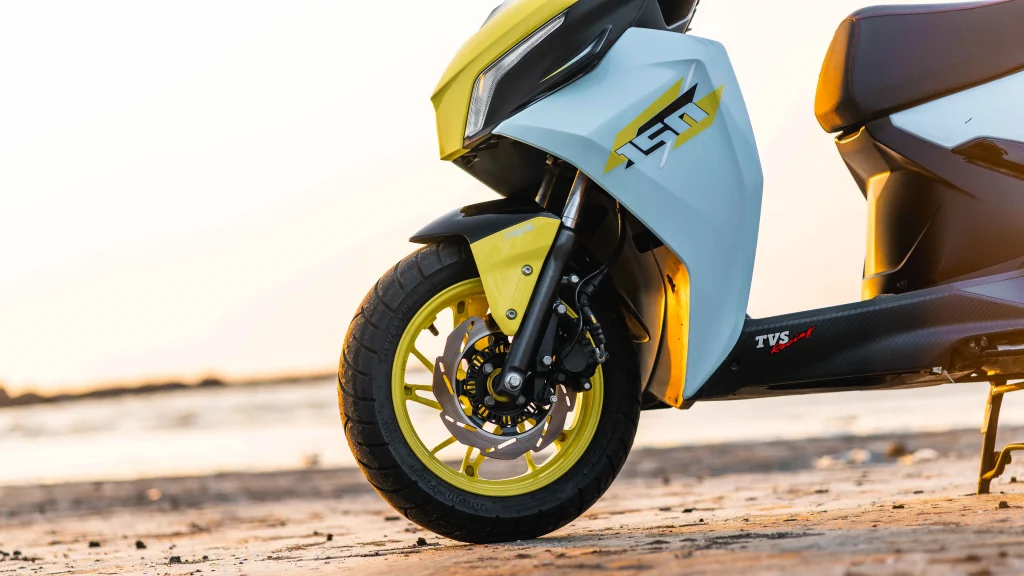
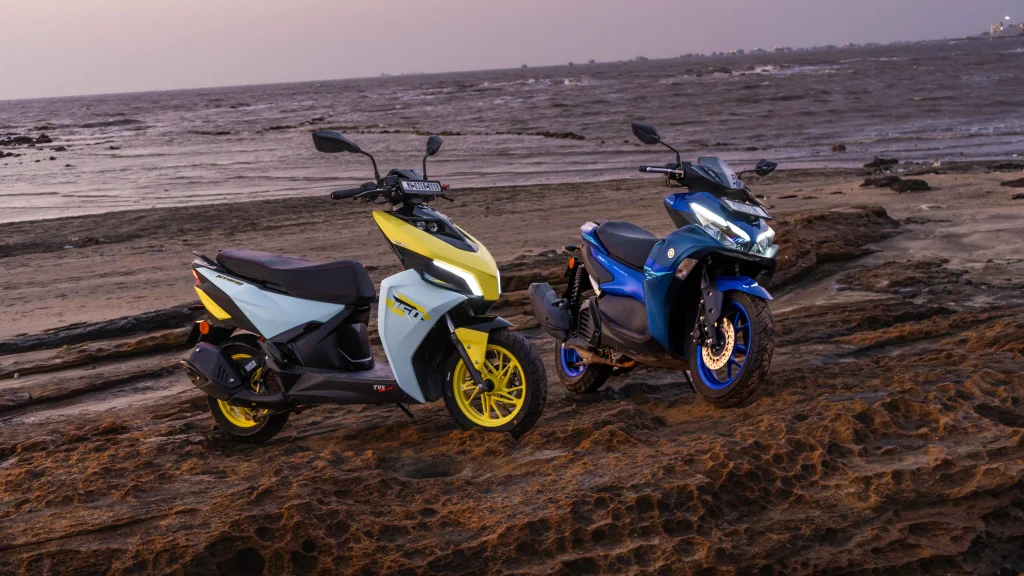
The Ntorq 150 takes a different visual approach. It is aggressive, edgy and packed with design elements like projector LED headlamps, aerodynamic winglets and sharp cuts across the bodywork. It looks modern and sporty, but its compact dimensions make it feel more like an evolution of the familiar Ntorq silhouette rather than a dramatic departure. Park the two side by side and the Aerox simply looks bigger, more premium and more distinctive, while the Ntorq looks sharper and more urban.

Features & Technology: Gadget Power vs Performance Focus

tvs tech

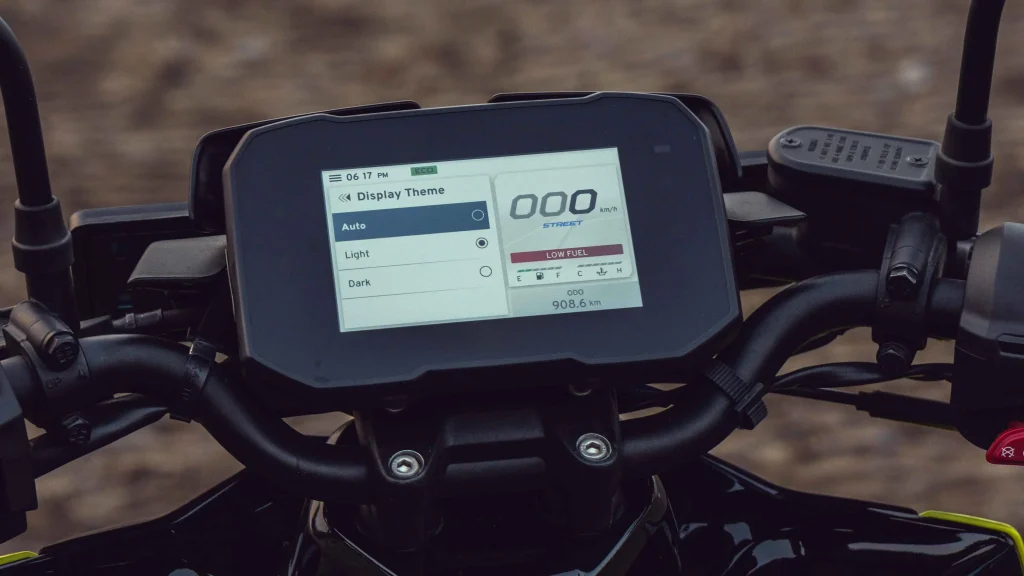
TVS has leaned heavily into technology with the Ntorq. The SmartXonnect system transforms the scooter into a connected mobility device, offering navigation assistance, call and music controls, crash alerts and even Alexa integration.

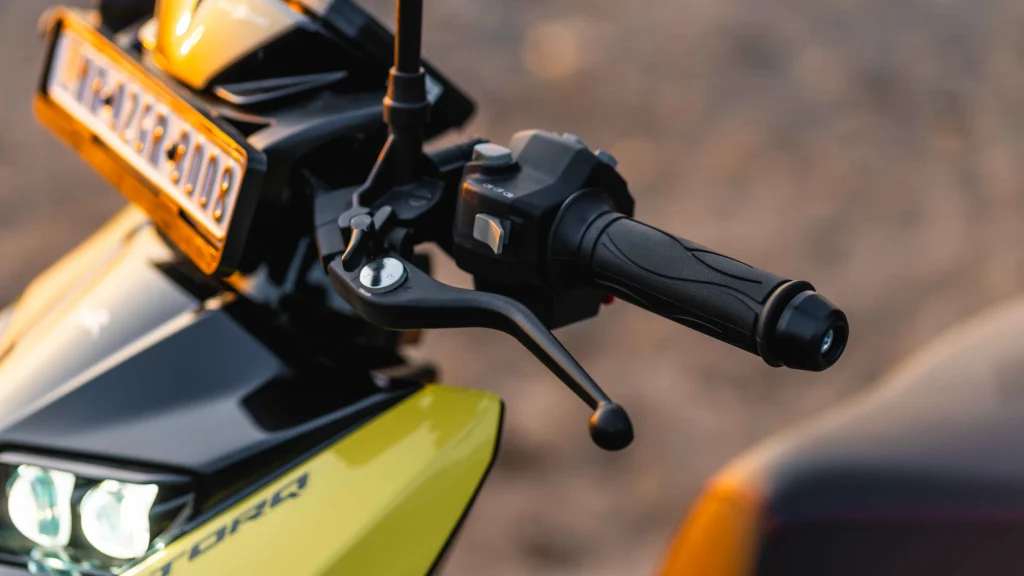
adjustable levers

Features like hazard lamps, follow-me headlights and adjustable brake levers enhance real-world convenience, while OTA updates and smartwatch connectivity push it firmly into the future of connected commuting.

aerox features

The Aerox approaches technology differently. Rather than overwhelming the rider with connectivity features, Yamaha focuses on riding dynamics and performance-oriented functionality.

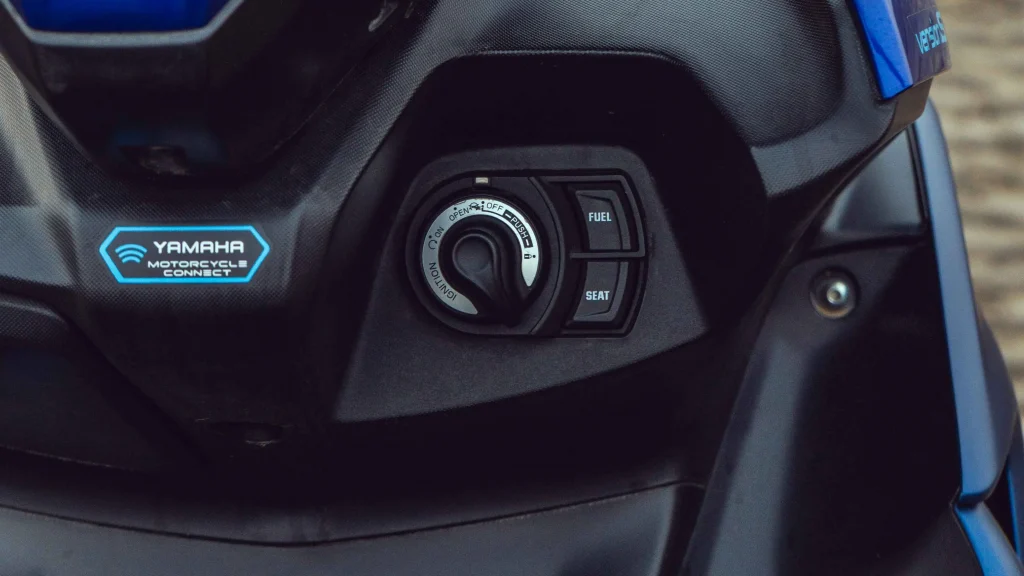
keyless ignition

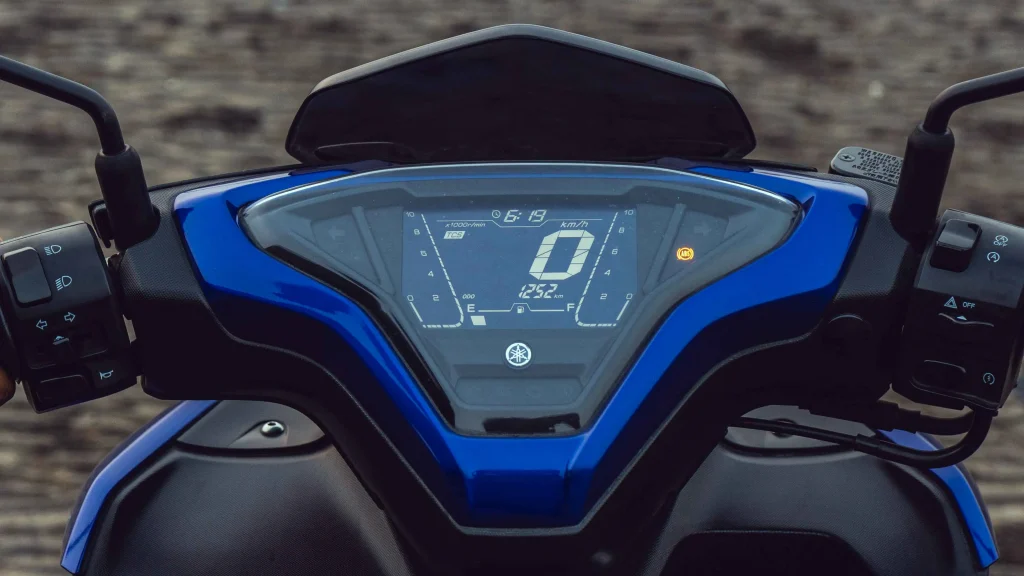
Traction control adds safety on slippery surfaces, while the digital display and keyless system enhance the premium riding experience.


In essence, the Ntorq feels like a tech-savvy urban companion, while the Aerox feels like a machine built to elevate the riding experience.

Everyday Practicality: Real-World Usability Matters

Ntorq practicality

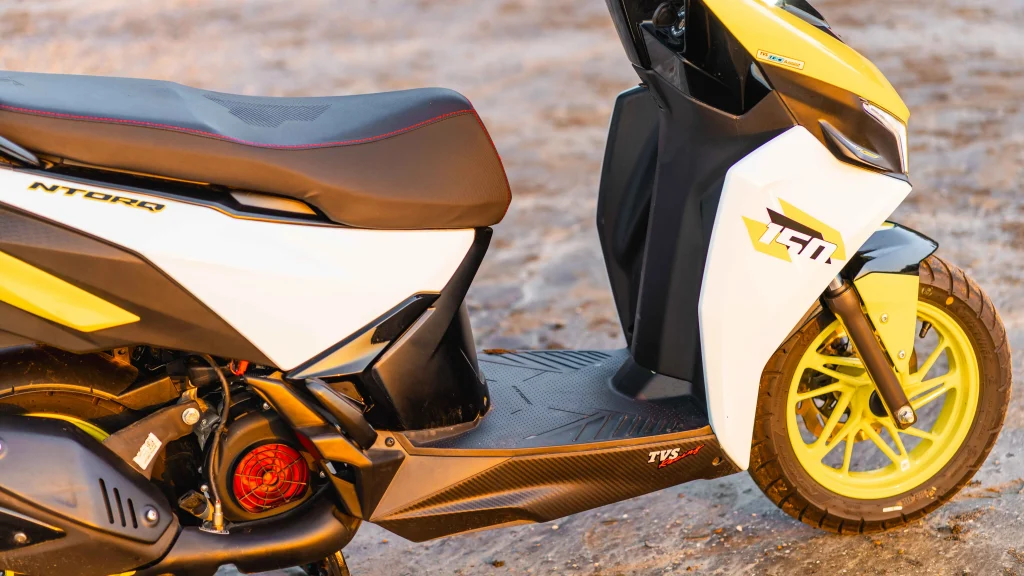
Practicality is one of the defining differences between these scooters. The Ntorq’s flat footboard may seem like a small detail, but in daily Indian riding conditions it makes a huge difference. Carrying grocery bags, backpacks or small parcels becomes effortless.

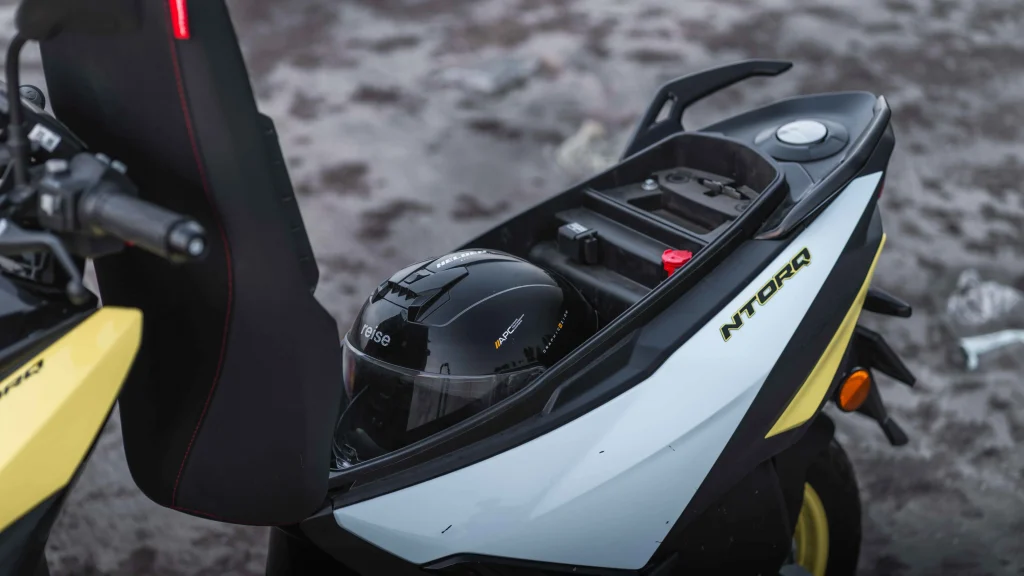
The front storage compartment and utility hook further enhance its convenience for everyday errands.

aerox under seat

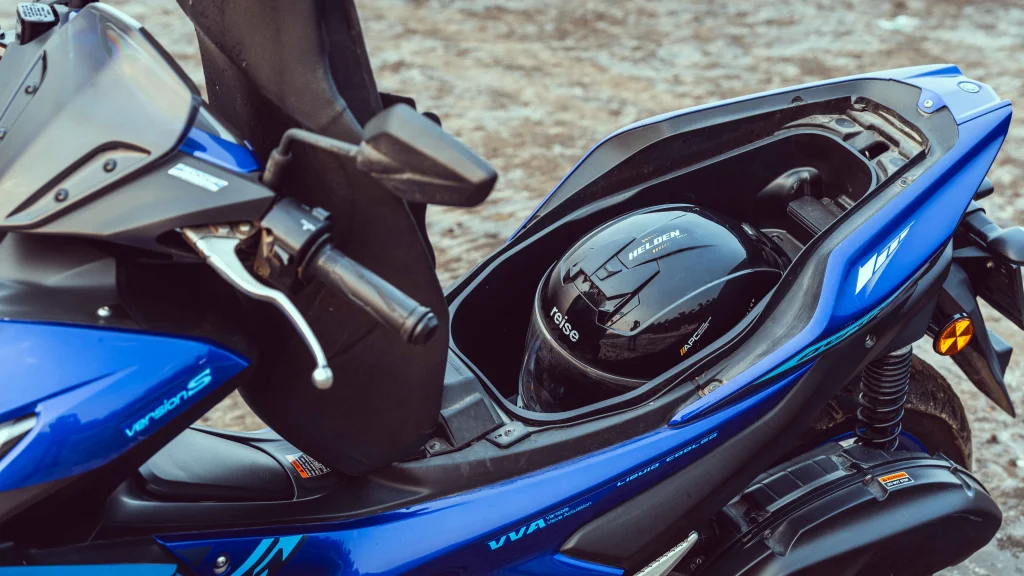
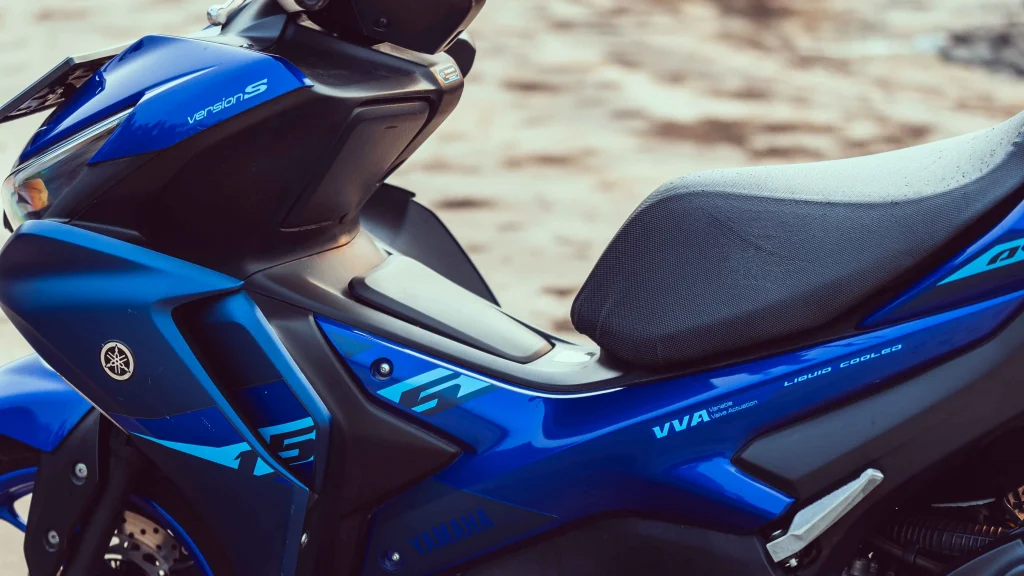
The Aerox offers generous underseat storage, but its raised central spine eliminates the flat floorboard, limiting its utility for carrying items.

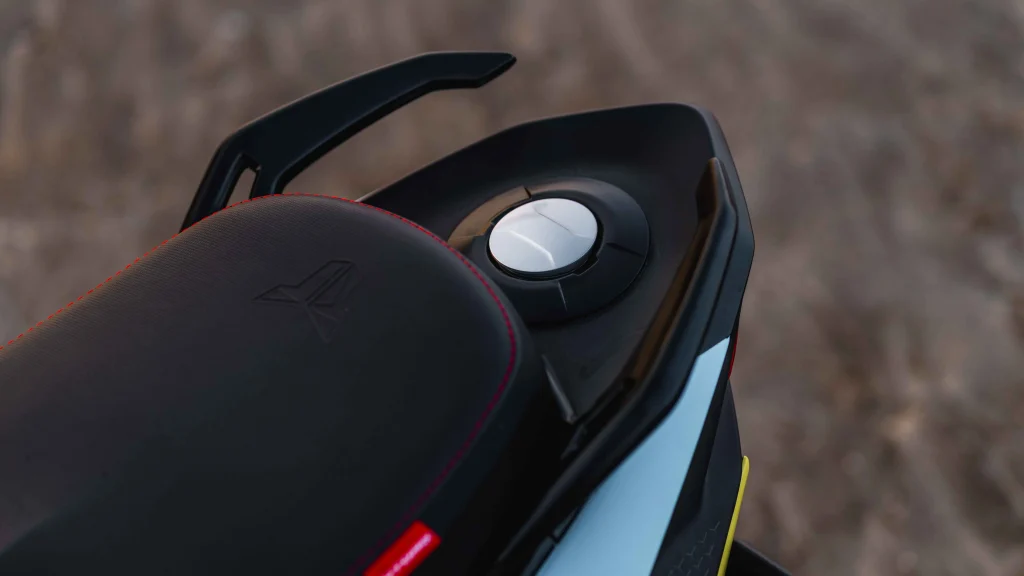
aerox fuel filler

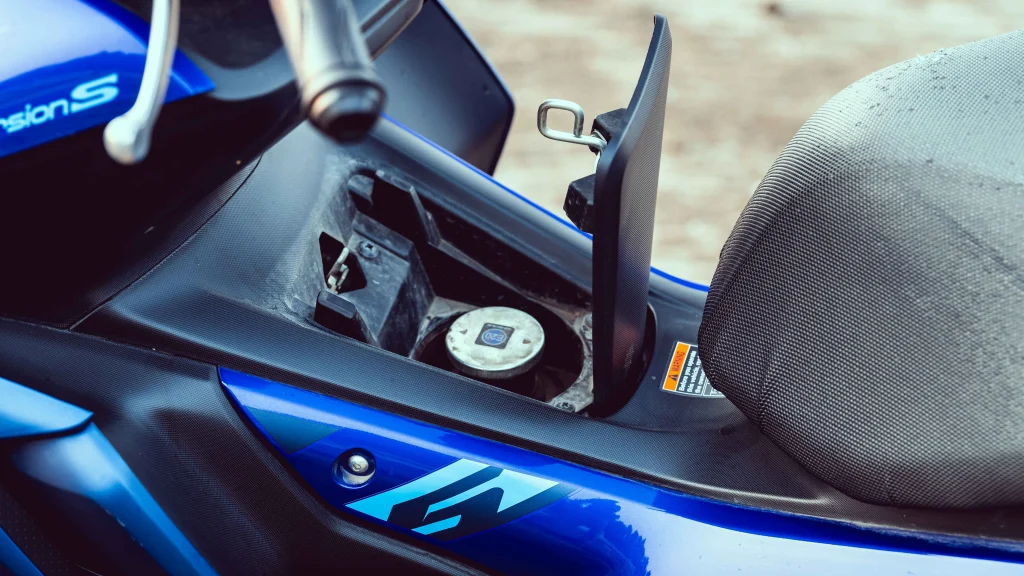
While fuel access on both scooters is convenient and eliminates the need to dismount, the Ntorq clearly feels more tailored to real-world daily usage.


For riders who depend on their scooter for errands, office commutes and quick stops throughout the day, these small conveniences add up significantly.

Comfort & Ride Quality: Sportiness vs Compliance

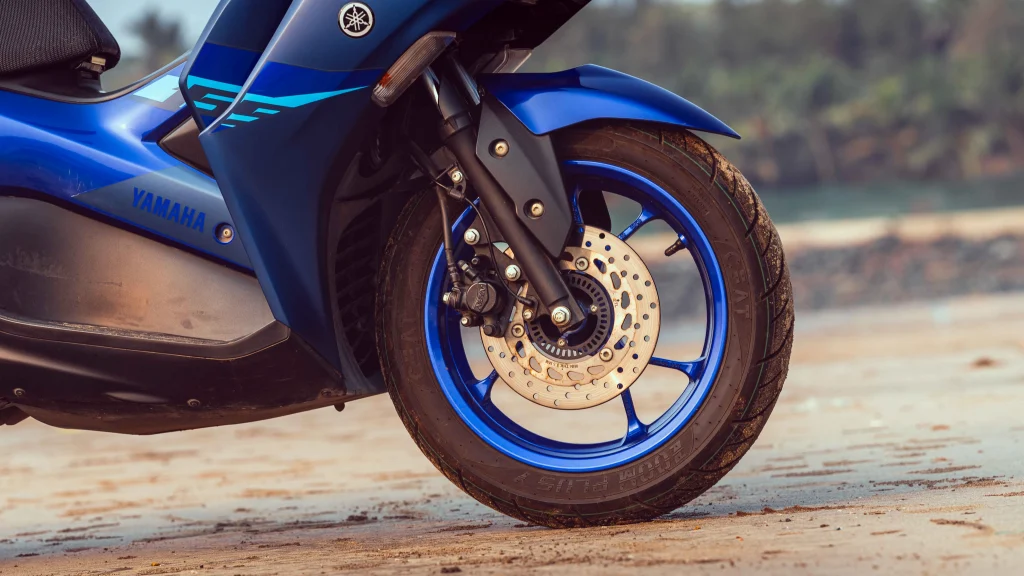
aerox wheels

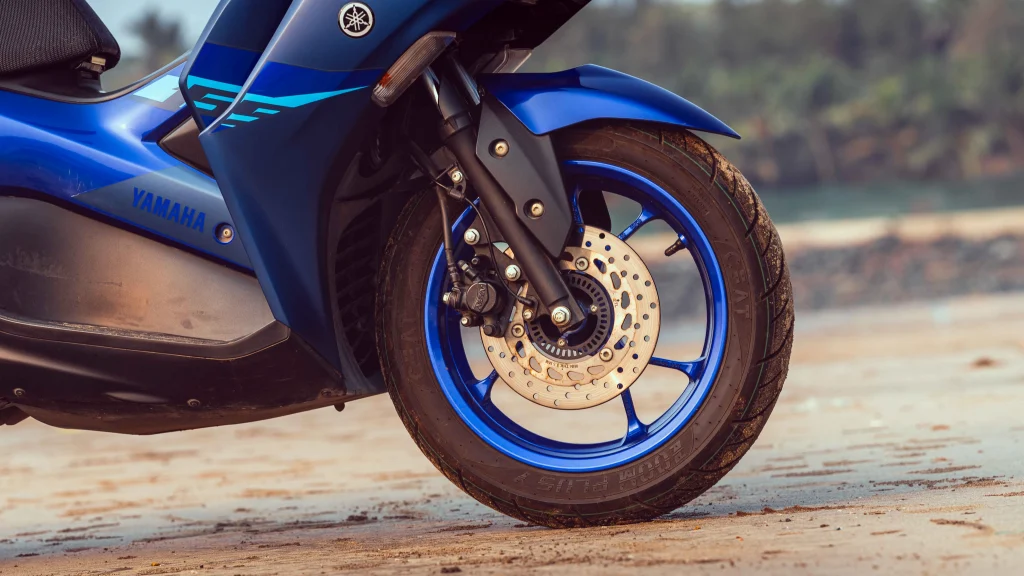
The Aerox rides on larger wheels and a suspension setup tuned with performance in mind.

This gives it excellent stability and sharp handling, but the trade-off is ride firmness.

Over expansion joints, broken tarmac and uneven city roads, the stiffness becomes noticeable and can feel tiring over longer commutes.

The Ntorq strikes a more balanced compromise. Its suspension absorbs bumps and undulations more effectively while retaining a sporty edge.

Ntorq handling

It may not feel as planted at high speeds as the Aerox, but in typical urban conditions it delivers a more comfortable and forgiving ride.

For daily commuting comfort, the Ntorq has the advantage. For riders prioritising stability and sporty feedback, the Aerox delivers a more engaging feel.

Engine & Performance: Refinement vs Punch

aerox engine

At the heart of the Aerox sits Yamaha’s proven 155cc liquid-cooled, single-cylinder engine, producing 14.7 bhp at 8000 rpm and 13.9 Nm at 6500 rpm.

The liquid cooling and refined tuning give it a smooth, linear power delivery that feels polished and composed across the rev range. Acceleration builds progressively rather than aggressively, making it feel controlled and mature whether you’re darting through traffic or cruising at higher speeds.

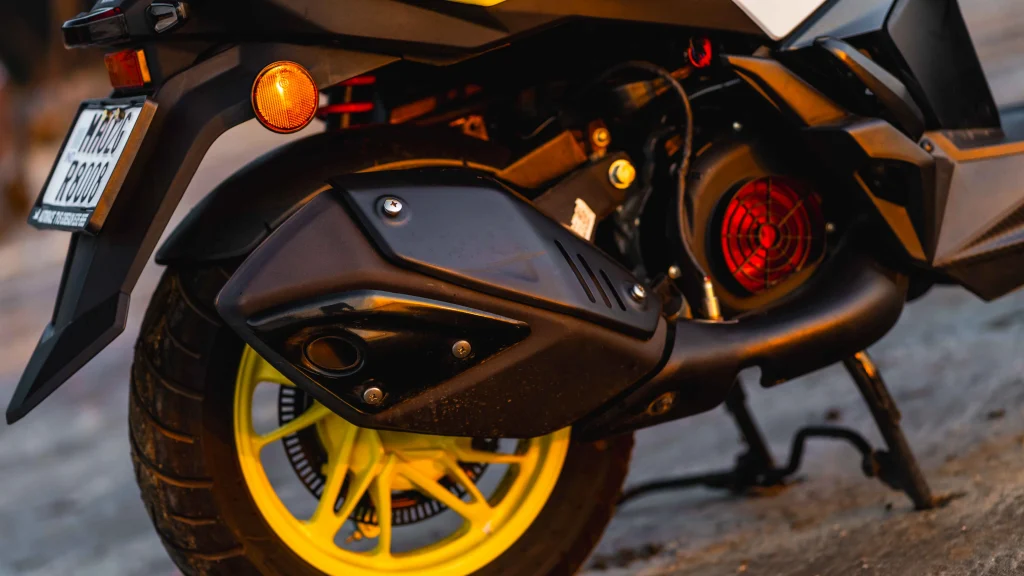
The Ntorq 150 uses a 149.7cc air-cooled, 3-valve engine producing 13 bhp at 7000 rpm and 14.2 Nm at 5500 rpm.

While it gives away a little peak power, it actually delivers slightly more torque at lower rpm, which explains its lively and eager feel in city riding. The throttle response is quick and immediate, giving the scooter a punchy character that feels energetic in stop-and-go traffic.

On the move, the differences in character become clear. The Aerox feels smoother, more refined and happier at higher speeds, while the Ntorq feels quicker off the line and more responsive in urban riding conditions.


Sound adds another layer of personality. The Aerox produces a smooth, sporty note typical of Yamaha’s performance engines, whereas the Ntorq delivers a louder, more characterful exhaust tone that enhances its street presence.


In short, the Aerox delivers refined performance and top-end composure, while the Ntorq offers low-end punch and city-friendly responsiveness.

Handling Dynamics: Stability vs Playfulness

Grip levels on both scooters inspire confidence, but their personalities differ.


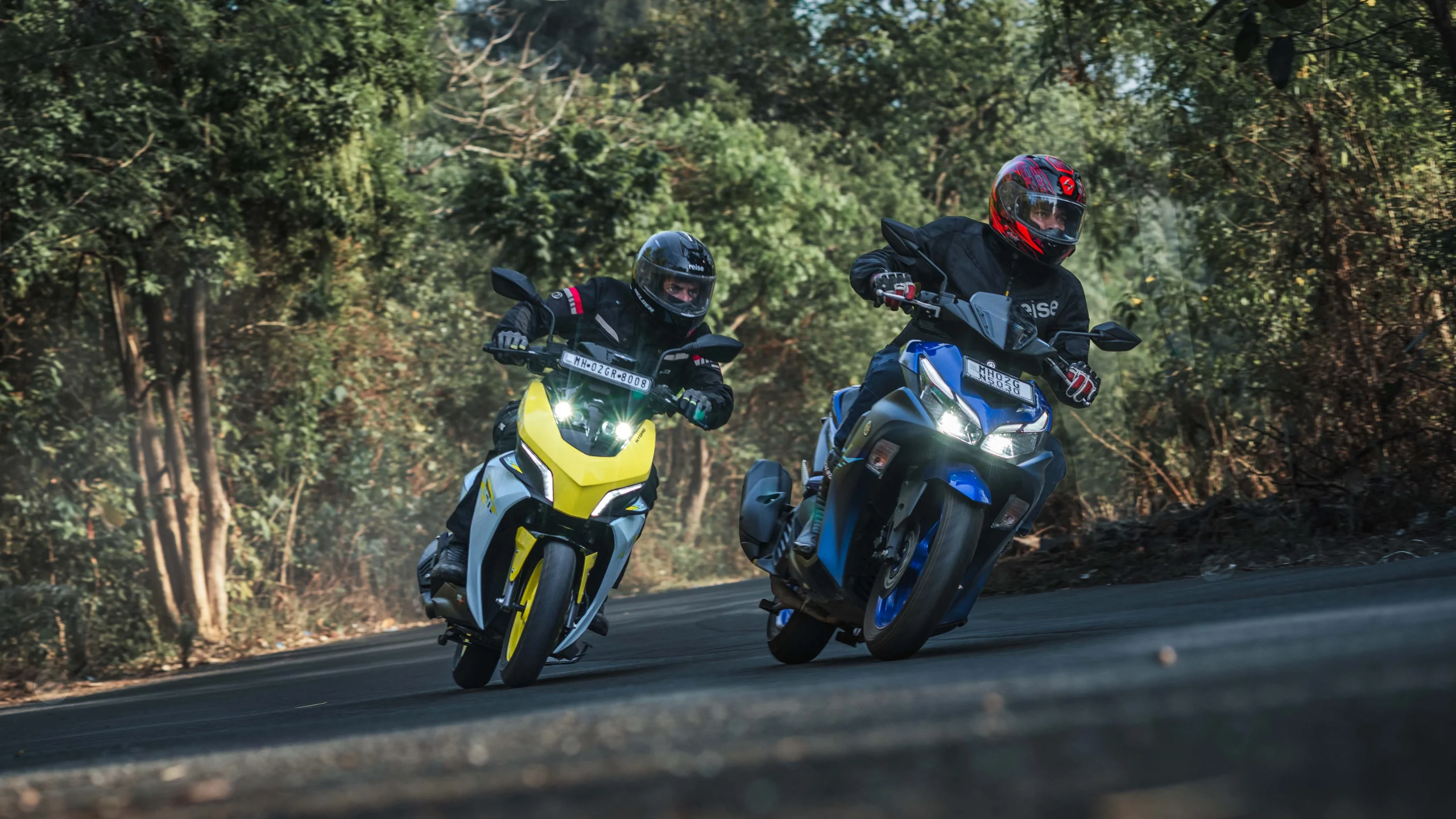
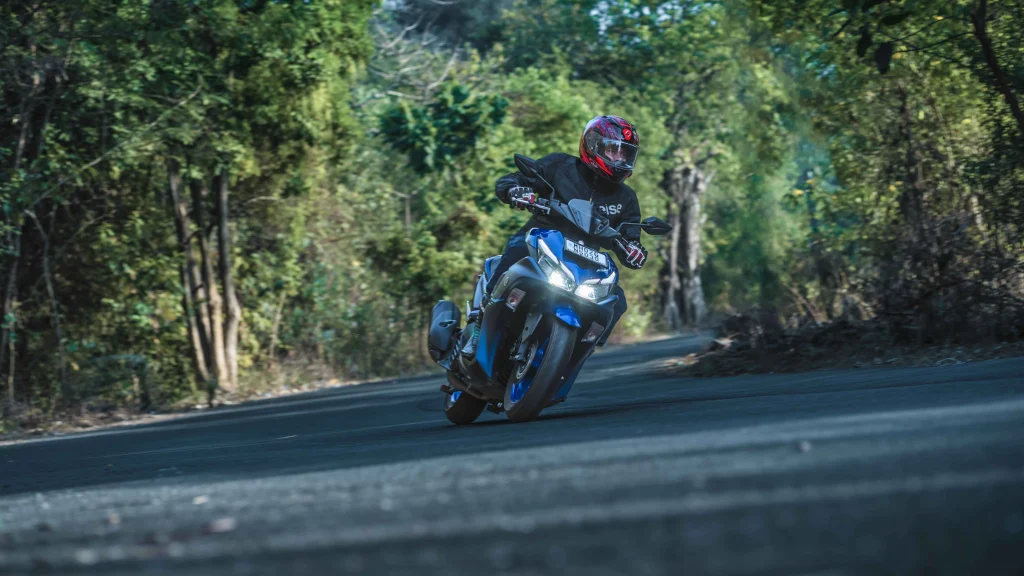
The Aerox feels balanced and planted, leaning progressively into corners with reassuring stability. On fast sweepers and higher-speed bends, it remains composed and confidence-inspiring.

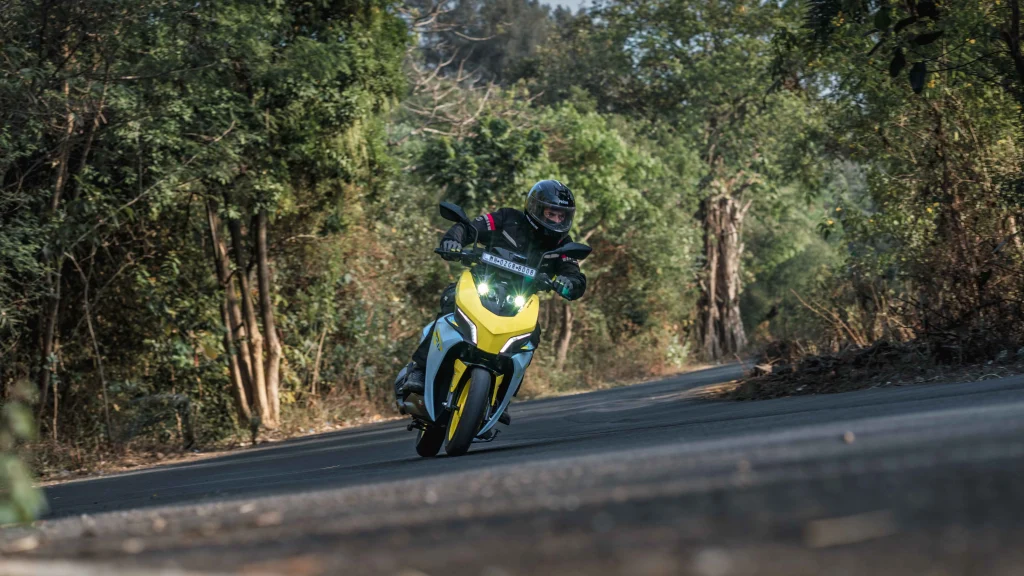
The Ntorq feels lighter and more eager to change direction. It dives into corners quickly and feels playful, making it extremely enjoyable in tight city streets and twisty sections. In tighter environments it feels more flickable, while the Aerox holds an advantage in high-speed composure.


Simply put, the Aerox rewards smooth, fast riding, while the Ntorq encourages playful urban fun.

Braking Performance & Safety

ntorq braking

Both scooters feature front disc brakes with single-channel ABS and offer strong stopping performance. The Aerox provides slightly better brake feel and rear brake effectiveness, which adds confidence during harder braking scenarios.

Fuel Efficiency & Real-World Economy

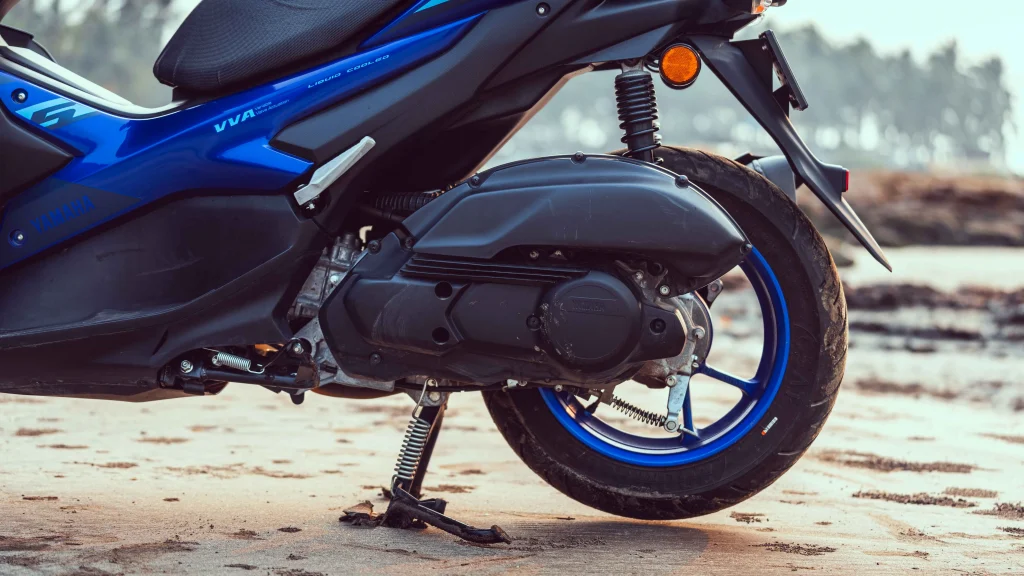
Despite producing more power and carrying additional weight, the Aerox can actually be the more fuel-efficient scooter of the two. In mixed riding conditions, it can return around 40–45 km/l, which is impressive for a performance-focused 155cc machine. A major contributor to this efficiency is Yamaha’s Variable Valve Actuation (VVA) technology, which optimises valve timing across the rev range to balance performance and fuel economy.


However, efficiency on the Aerox is closely tied to riding style. Ride it aggressively and fuel consumption rises quickly; ride it smoothly and the scooter rewards you with excellent economy.


The Ntorq, on the other hand, typically delivers around 35–40 km/l in real-world usage. Its punchy throttle response and eager low-end torque encourage spirited riding, which can make it slightly thirstier despite its lower power output.


In dense city traffic, where frequent acceleration and braking are unavoidable, both scooters tend to settle into a similar real-world range of 35–40 km/l.


So while the Aerox has the potential to be more efficient on paper and in disciplined riding conditions, in everyday urban usage the difference between the two becomes minimal.

Final Verdict: Choosing Between Emotion and Logic

The Yamaha Aerox 155 is the scooter you choose when riding feel and performance take priority. It looks premium, delivers refined power and offers a big-scooter presence that makes every ride feel special. It is the more engaging machine to ride fast, the more stable companion on open roads and the one that appeals strongly to enthusiasts.


The TVS Ntorq 150, on the other hand, fits seamlessly into everyday life. It is more comfortable over rough roads, far more practical for daily errands, packed with technology and easier to live with in typical urban conditions.

Price plays a decisive role here. With an ex-showroom price of around ₹1.39 lakh, the Aerox positions itself as a premium performance scooter. The Ntorq, at approximately ₹1.09 lakh, undercuts it significantly, making it the more accessible and value-driven choice.

If your heart seeks performance, refinement and road presence, the Aerox justifies its premium.

If your mind prioritises usability, comfort, features and value for money, the Ntorq makes the smarter choice.


Ultimately, this isn’t just a comparison of scooters — it’s a choice between emotion and practicality.


Heart or mind — which one wins for you?

3 Votes: 3 Upvotes, 0 Downvotes (3 Points)

Leave a reply

555 views

Join Us
RevWheels Social Media

Advertisement

Follow
Search
Popular Now
Loading

Signing-in 3 seconds...

Signing-up 3 seconds...