ACMA H1 FY26: Components Industry Grows 6.8%

The Indian auto component industry posted steady growth in the first half of FY2025-26 (April–September 2025), with overall turnover rising 6.8% year-on-year to Rs 3.56 lakh crore (USD 41.2 billion), according to the Automotive Component Manufacturers Association of India (ACMA) in its latest Industry Performance Review.


ACMA highlighted that the momentum was aided by stable domestic demand, a strong aftermarket, and continued investments in capacity expansion, localisation and technology upgradation.


A major driver of growth was the rise in component supplies to OEMs. ACMA data shows sales to OEMs increased 7.3% to Rs 3.04 lakh crore (USD 35.2 billion), led primarily by passenger vehicles and LCVs.


The aftermarket outperformed both OEM and industry averages, recording a robust 9% growth to Rs 53,160 crore (USD 6.1 billion). This was attributed to an expanding vehicle parc, improving formalisation of repair and maintenance, and deeper penetration of organised channels.


On the trade front, the auto component industry delivered 9.3% export growth to USD 12.1–12.2 billion in H1 FY26. However, imports increased 12.5% to USD 12.3 billion, pushing the sector into a trade deficit of USD 180 million, compared to a trade surplus of USD 150 million in the year-ago period.


Despite global headwinds—such as supply-chain disruption, raw material cost pressures and softening demand in key markets—ACMA noted the industry managed to sustain export growth. The US and Germany remained among the top export destinations, while China, Japan and Germany led imports.

Signalling the gradual shift to new-age mobility, ACMA reported that electric vehicles accounted for 4.6% of total supplies to OEMs in the first half.

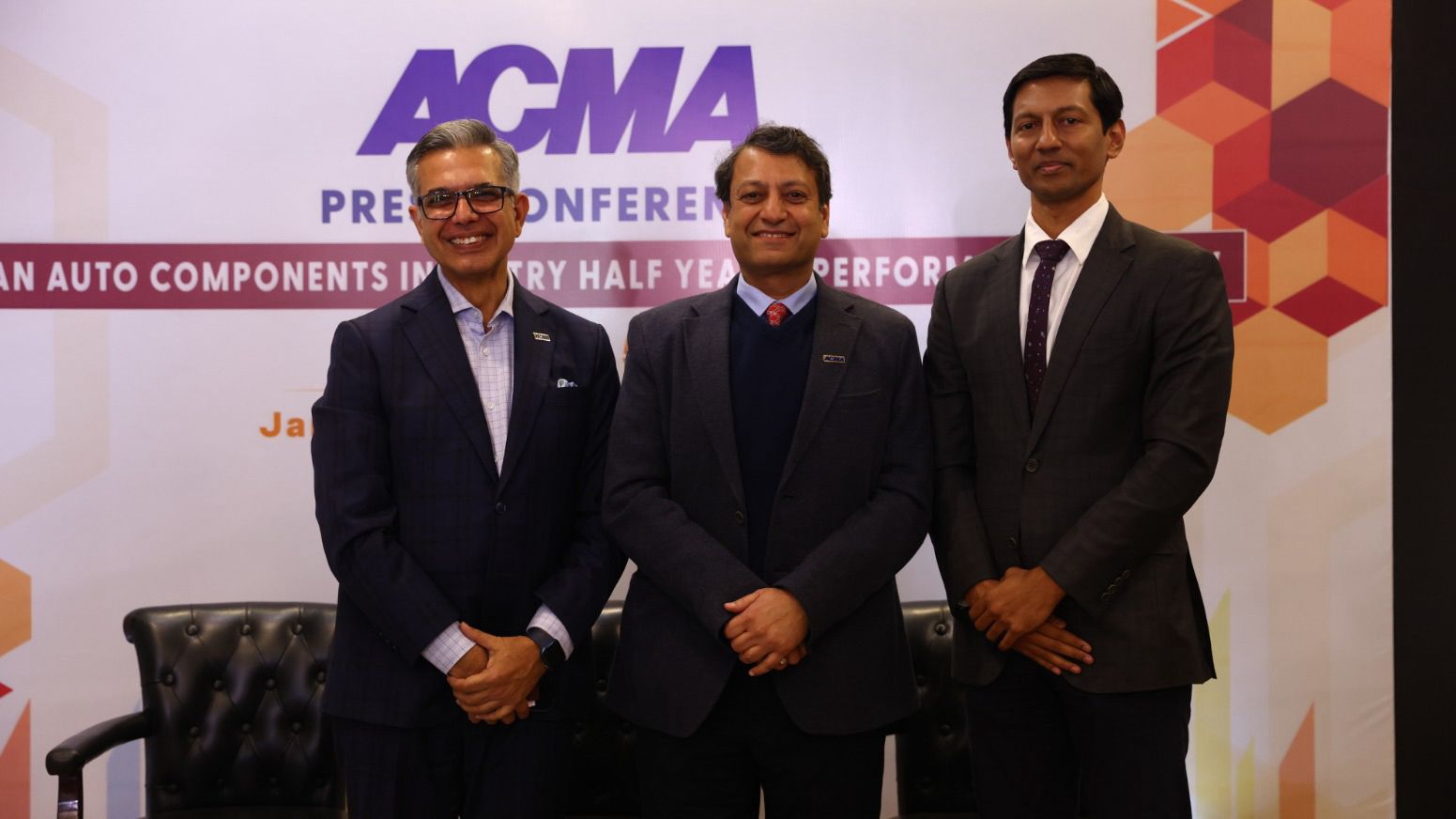
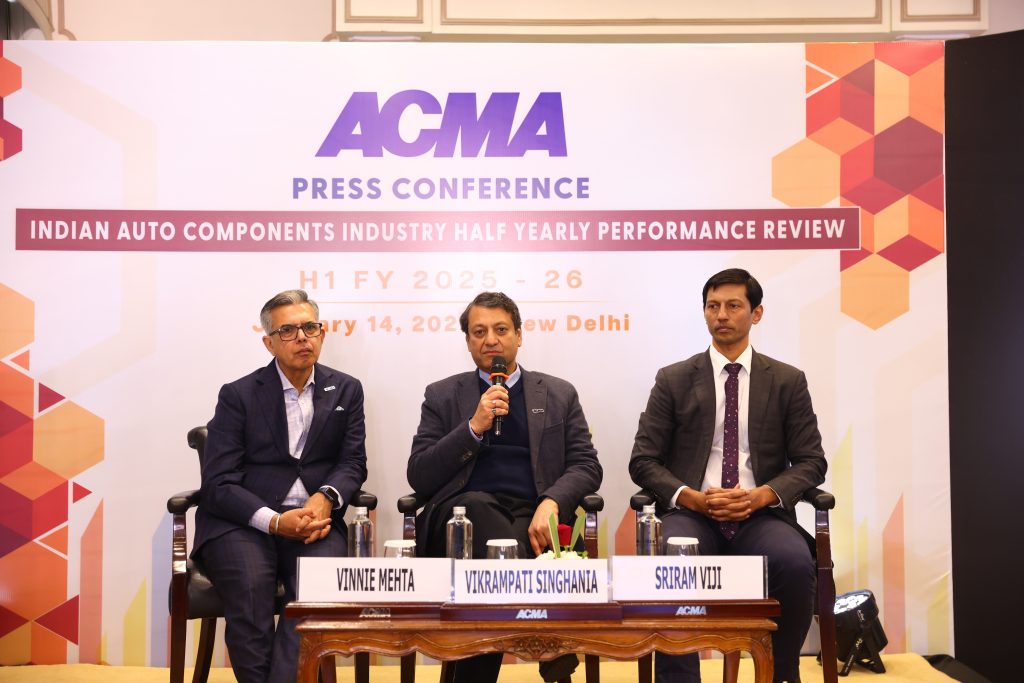
Sharing insights on sector performance, Vinnie Mehta, Director General, ACMA, said the results reflect the strength of India’s automotive ecosystem, but also underlined that imports are rising at a faster pace than exports. ACMA stated the industry is responding with deeper localisation, capacity expansion and stronger stakeholder collaboration as it prepares for the next growth phase driven by new mobility technologies.


Sriram Viji, President-Designate, ACMA and MD, Brakes India, flagged geopolitical uncertainties, supply disruptions and cost pressures as key challenges, adding that the availability of critical materials—including rare-earth magnets—will be vital for long-term resilience.


Meanwhile, Vikrampati Singhania, President, ACMA and MD, JK Fenner, said the second half of FY26 is expected to benefit from improving retail sentiment, seasonal demand, and infrastructure-led activity. He also pointed to the reduction in GST on select vehicle categories effective post-September, which could support demand momentum in passenger vehicles and two-wheelers, with a positive spillover for the component ecosystem.


For RevWheels’ component space, the big takeaway is clear: domestic demand continues to support growth, exports are holding up well, but import dependence—especially for critical materials—remains a key pressure point as the industry pushes toward localisation and EV-readiness.

2 Votes: 2 Upvotes, 0 Downvotes (2 Points)

Leave a reply

559 views

Join Us
RevWheels Social Media

Advertisement

Follow
Search
Popular Now
Loading

Signing-in 3 seconds...

Signing-up 3 seconds...