Toyota Announces GR GT & GR GT3 — A New Flagship Hypercar to Carry the Torch Forward

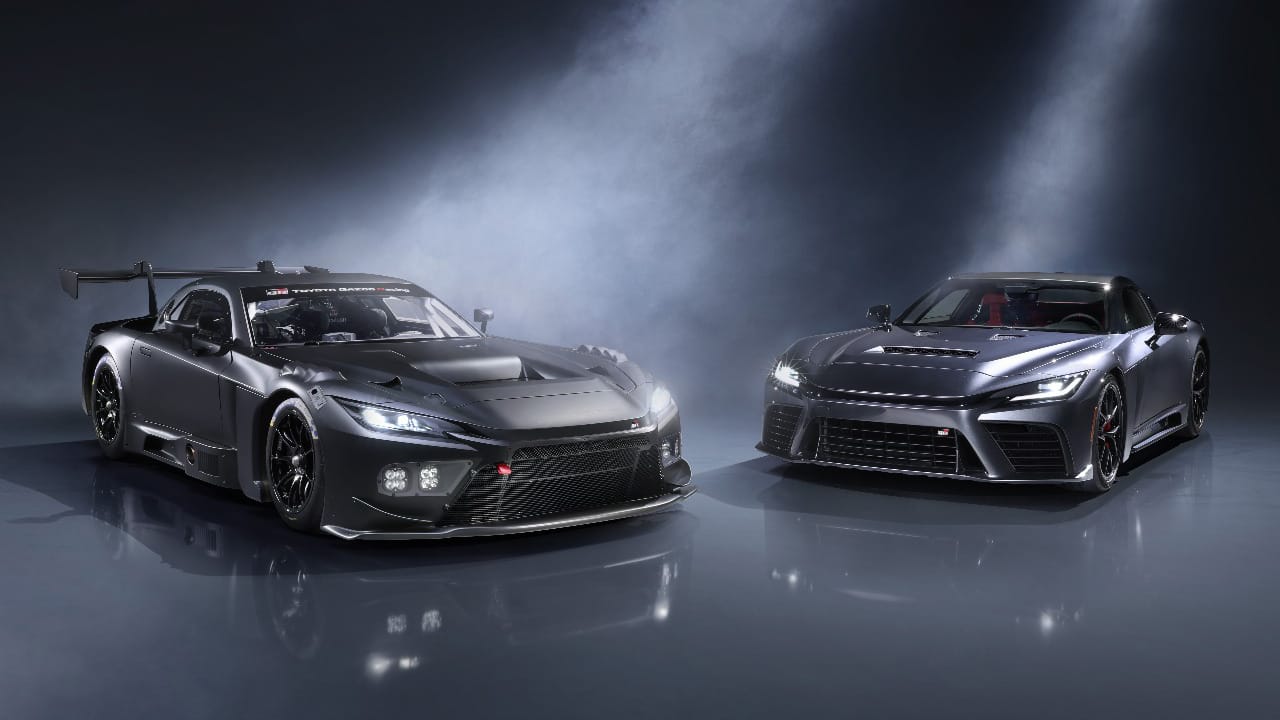
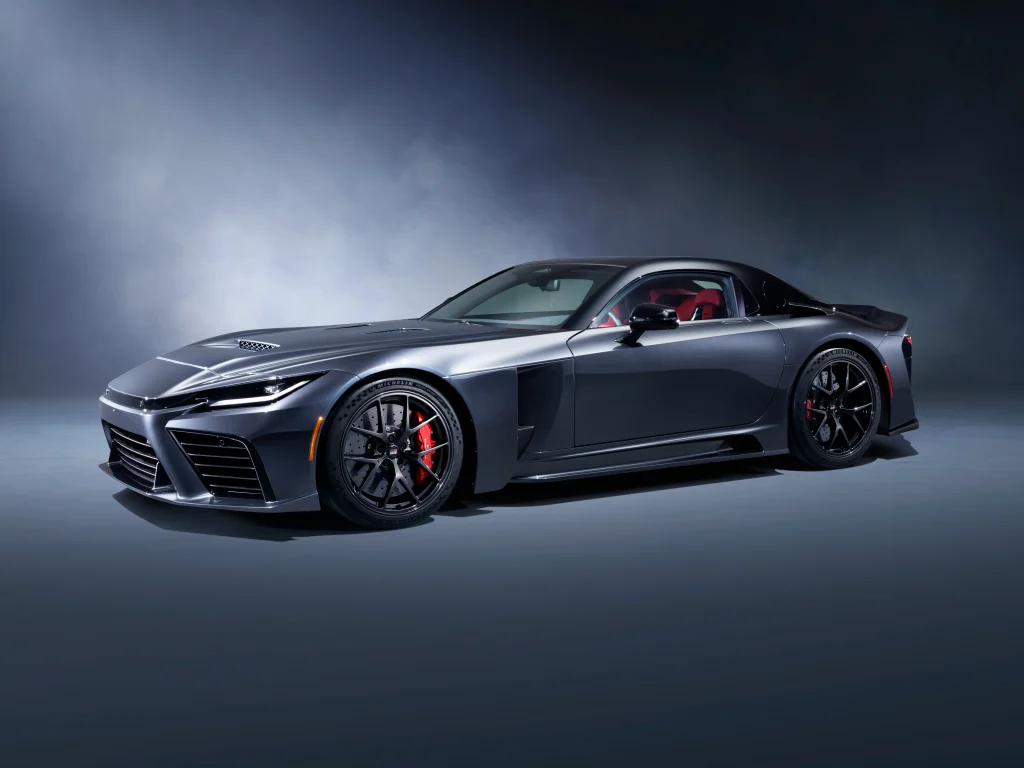
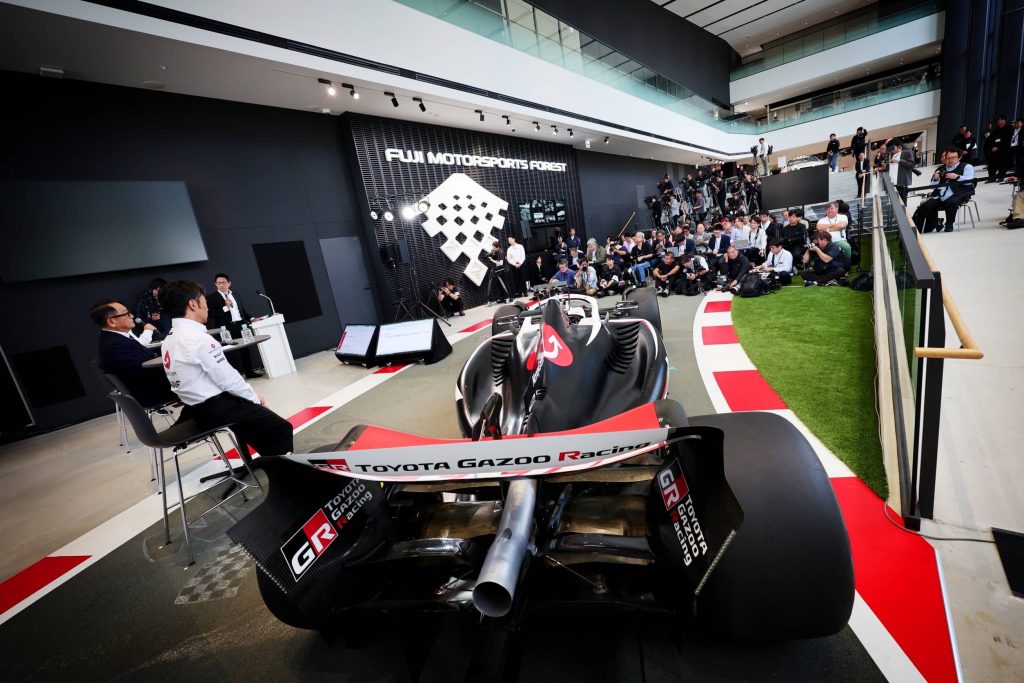
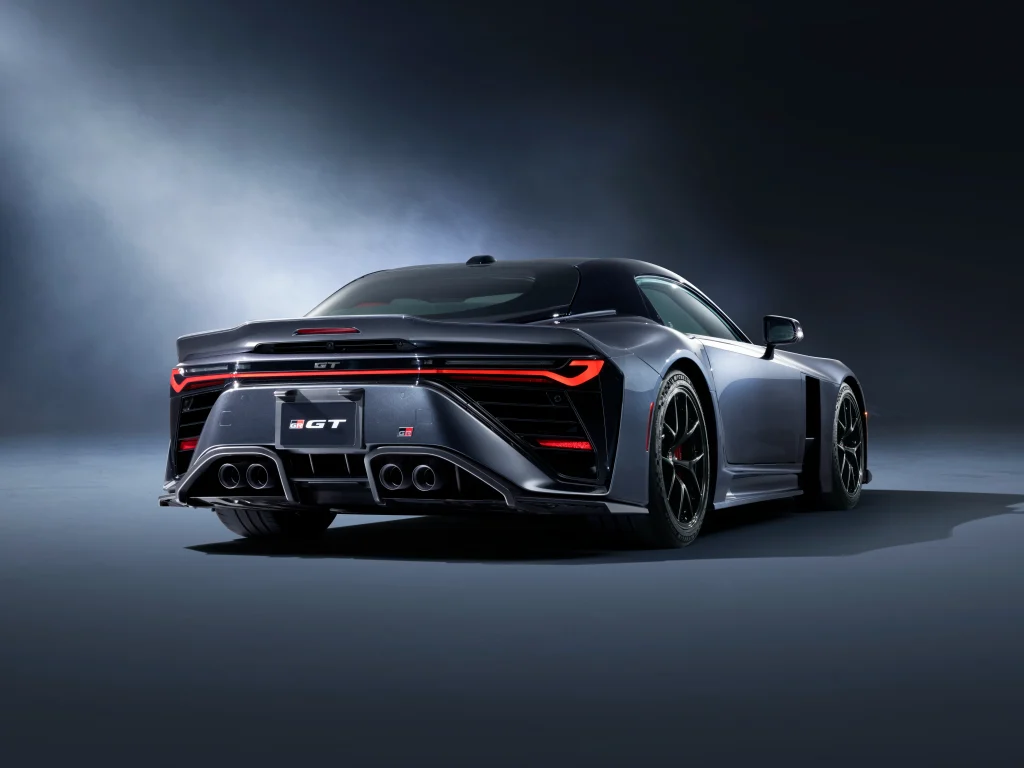
In a major reveal, Toyota Gazoo Racing (TGR) has premiered two new models: the Toyota GR GT and its customer-race variant, the Toyota GR GT3. These are the first publicly displayed prototypes, and represent TGR’s latest effort to bring motorsport-bred performance to road-legal and track-ready cars.

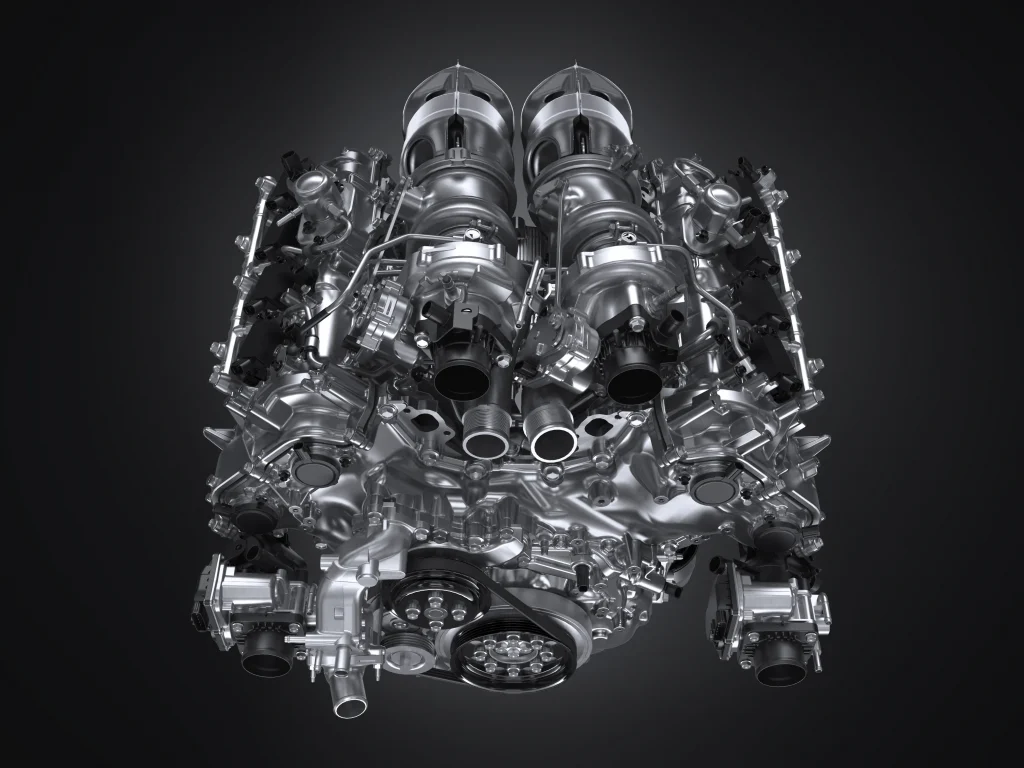
Built around a 4.0-litre twin-turbo V8 (paired with hybrid assistance), the GR GT is engineered for a driver-first experience — low centre of gravity, lightweight chassis, high rigidity, aerodynamic performance — all aimed at forging a visceral connection between car and driver.

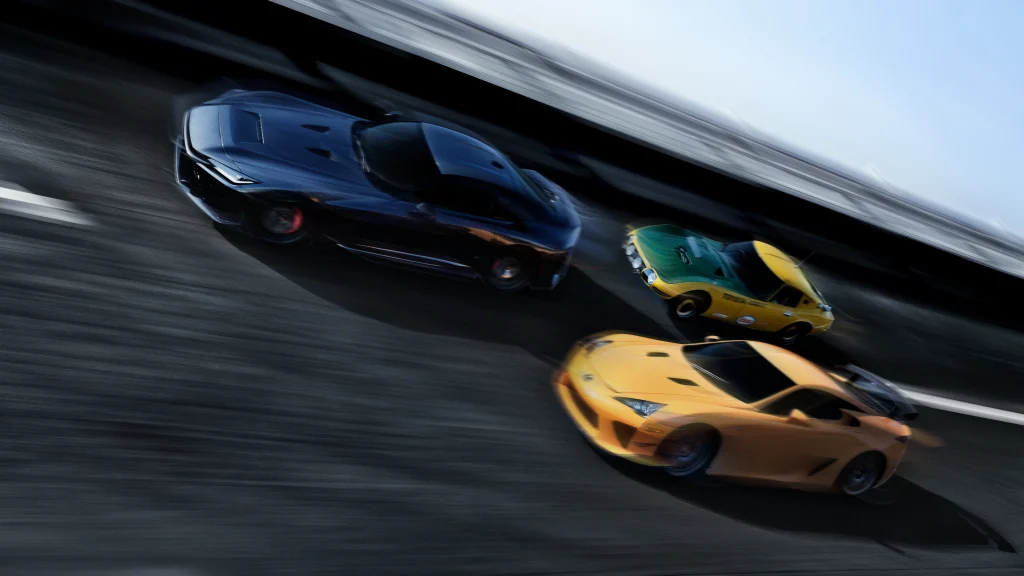
For TGR, the GR GT is more than just a new vehicle; it is described as the spiritual successor to icons like the Lexus LFA and the fabled Toyota 2000GT — carrying forward the secret sauce of car-making into a new era.

The LFA Legacy — And Why GR GT Matters


The Lexus LFA earned legendary status among enthusiasts for its raw performance, exotic engineering, and its role in showing that Toyota (via Lexus) could build a true supercar. With the GR GT and GR GT3, TGR appears to aim for that same halo — with even more advanced engineering, modern hybrid-V8 power, and racing-inspired chassis dynamics.


In announcing the GR GT, Toyota explicitly acknowledges this lineage: development veterans who worked on the LFA contributed their craftsmanship and skills to the new flagship, ensuring the DNA of the LFA lives on. Thus, the GR GT doesn’t just promise speed and performance — it represents a continuation of legacy, ambition, and the car-maker’s soul that made the LFA so revered.

A Bigger Picture: Toyota Wakes Up — GR Steps Up Motorsport Presence

But this is not just about a sports car. In parallel with the GR GT announcement, Toyota has stepped up its motorsport ambitions through TGR, and the timing feels deliberate: TGR is not only launching flagship road and race cars — it is also reinforcing its presence on the global motorsport stage.


Most notably, last year, TGR struck a deal to become the title sponsor of Haas F1 Team. Starting from the 2026 season, the team will compete as TGR Haas F1 Team, marking arguably Toyota’s boldest move into top-tier motorsport since it withdrew as a factory Formula 1 entrant back in 2009.


What began as a technical partnership in late 2024 — with TGR providing design, manufacturing, and developmental support — has now escalated into full title-sponsorship.

This move signals that Toyota is not merely content with building performance cars — it’s reasserting itself as a serious player in global motorsport.

What This Means: Revival, Ambition, Continuity

The dual announcements — GR GT/GR GT3 and TGR’s expanded F1 presence — suggest a clear strategy: Toyota is reinvesting in its performance DNA. The GR GT is the bridge between Toyota’s storied past (the LFA, 2000GT) and a future defined by cutting-edge engineering and motorsport pedigree.


Meanwhile, the Haas F1 tie-up indicates Toyota sees itself not just as a carmaker, but as a full-fledged motorsport brand again — one willing to compete, develop talent, and stake its name at the highest level of racing.


For fans of the LFA and of the idea that Toyota could make a “true supercar,” GR GT offers hope, excitement — and a fresh legacy.

2 Votes: 2 Upvotes, 0 Downvotes (2 Points)

Leave a reply

119 views

Join Us
RevWheels Social Media

Advertisement

Follow
Search
Popular Now
Loading

Signing-in 3 seconds...

Signing-up 3 seconds...